
In a world where sustainability and aesthetics go hand in hand, few materials put that principle on such a pedestal as Japanese Shou Sugi Ban. Having been around for centuries, this process is the most recent global revival. This is not a mere fashionable whim, but rather a carefully thought-out and ecologically attuned solution for modern architecture. At Bauwn, we advocate the fusion of the skill of timeless craft with the high karma-driven innovative efforts distinctively seen in our Shou Sugi Ban products.
Shou Sugi Ban in Antiquity
The origin of Shou Sugi Ban (also Yakisugi) is traced back to the 18th century in Japan. It was developed primarily to protect wood from decaying insects, and fire. The strategy was simply to carefully char the surface of a board, cool it, brush off the loose soot, and seal it with natural oils.
The very rich and dark surface with its particular pattern of charring turned into a very beautiful and completely artful piece of architectural material. Traditionally, cedar was used because it had beautiful grain patterns and was capable of benefiting heat well; however, now one finds the practice widely applied to other species like pine, oak, larch, and Accoya.
Practically, Shou Sugi Ban was intended for weatherproofing to rural habitats, but in modern times, it ended up a landmark of sustainable design-lending old-world craftsmanship to contemporary performance.
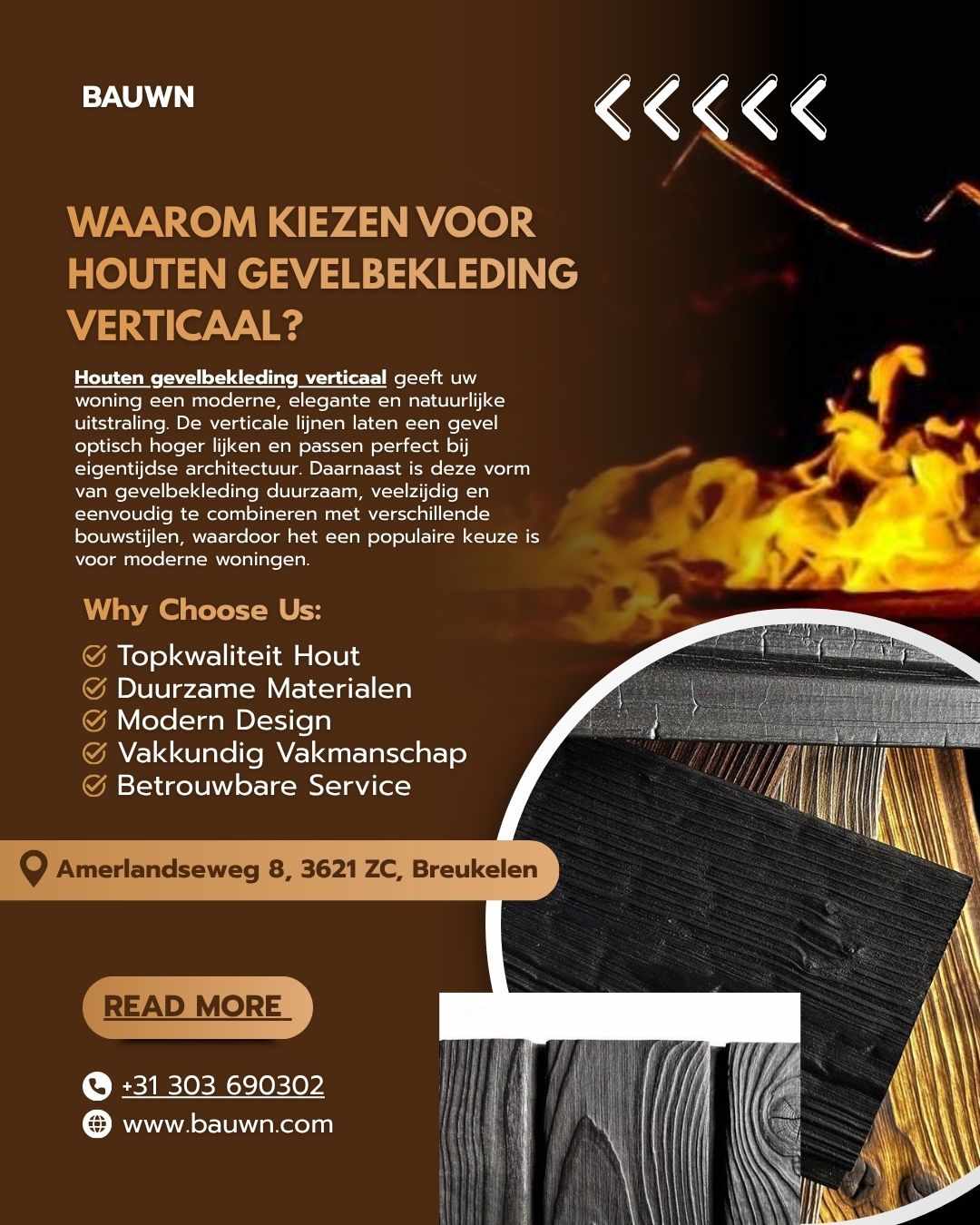
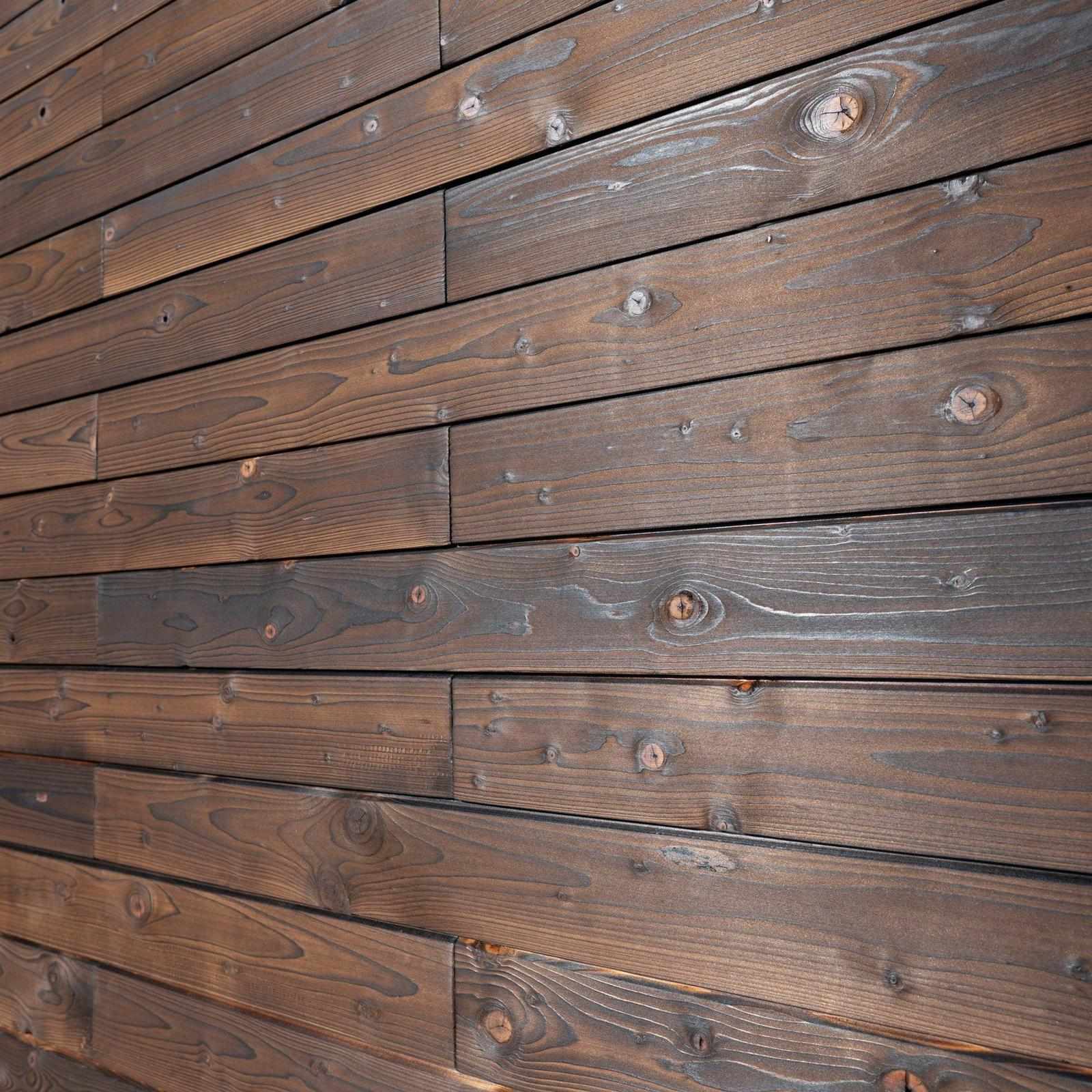
The burnished texture of the charred wood is one of the most appealing characteristics of Japanese Shou Sugi Ban. The awkward, yet beautiful, tangled grain bears testimony to how no two boards generated are exactly alike; a charred surface rejuvenates and magnifies the grain, resulting in such a wonderfully smooth tactile surface admired for both its visual vitality and a sort of restless life owing to the intense character expressed through each piece of wood.
Depending on how deeply the wood is burnt and what finishing method is used, the resulting texture can be anything from a glossy, alligator-like surface to a smooth, silky matte sheen. This capability gives the architects and the designers the freedom to pick the right aesthetic for their project, be it the making of a minimalist modern home, a log cabin or a strong commercial façade.
We at Bauwn have produced Shou Sugi Ban wood treatments that are solely intended to bring out this natural beauty. The plank is charred and finished one by one by artisans who apply the utmost precision, consistency, and beauty — transforming an ordinary wood piece into a masterpiece.
Sustainability at Its Core
The main reason why Japanese charred wood comes to the forefront in green architecture is its environmental integrity. In contrast to chemically treated timber, Shou Sugi Ban procedure uses fire — a natural and non-toxic process that not only keeps wood safe but also enhances its life span.
This method literally triples up the life of the wood by forming a protective carbon layer that keeps the wood dry, free from insects and rot. As a matter of fact, the buildings made of Shou Sugi Ban products need less maintenance and replacements, thus, less waste production and fewer resources consumption over time.
Apart from that, wood is very versatile and one of the most eco-friendly materials for construction. It is renewable, non-polluting, and requires far less energy to manufacture than either steel or concrete. Adding to that, the burning process further increases the wood's sustainability angle — making Japanese charred wood one of the most eco-friendly options for siding today.
We at Bauwn take the responsibility of sourcing responsibly harvested timber and using environmentally sound production techniques —so that our products are always in harmony with the highest standards of sustentability.
Durability Combining with Natural Protection
Shou Sugi Ban's durability is one of the main reasons it has been around for centuries. The charring process not only gives the wood a dark and attractive surface but also protects it by transforming the surface into a carbonized shield that resists the force of nature. In addition, moisture, UV radiation, and bugs cannot get through this charred layer, so the wood is protected.
While painted or stained wood requires constant maintenance, Shou Sugi Ban products are beautifully colored and textured at the same time with very little care. The surface does gradually weather with time but it develops a lovely patina that adds to its character rather than taking away from it.
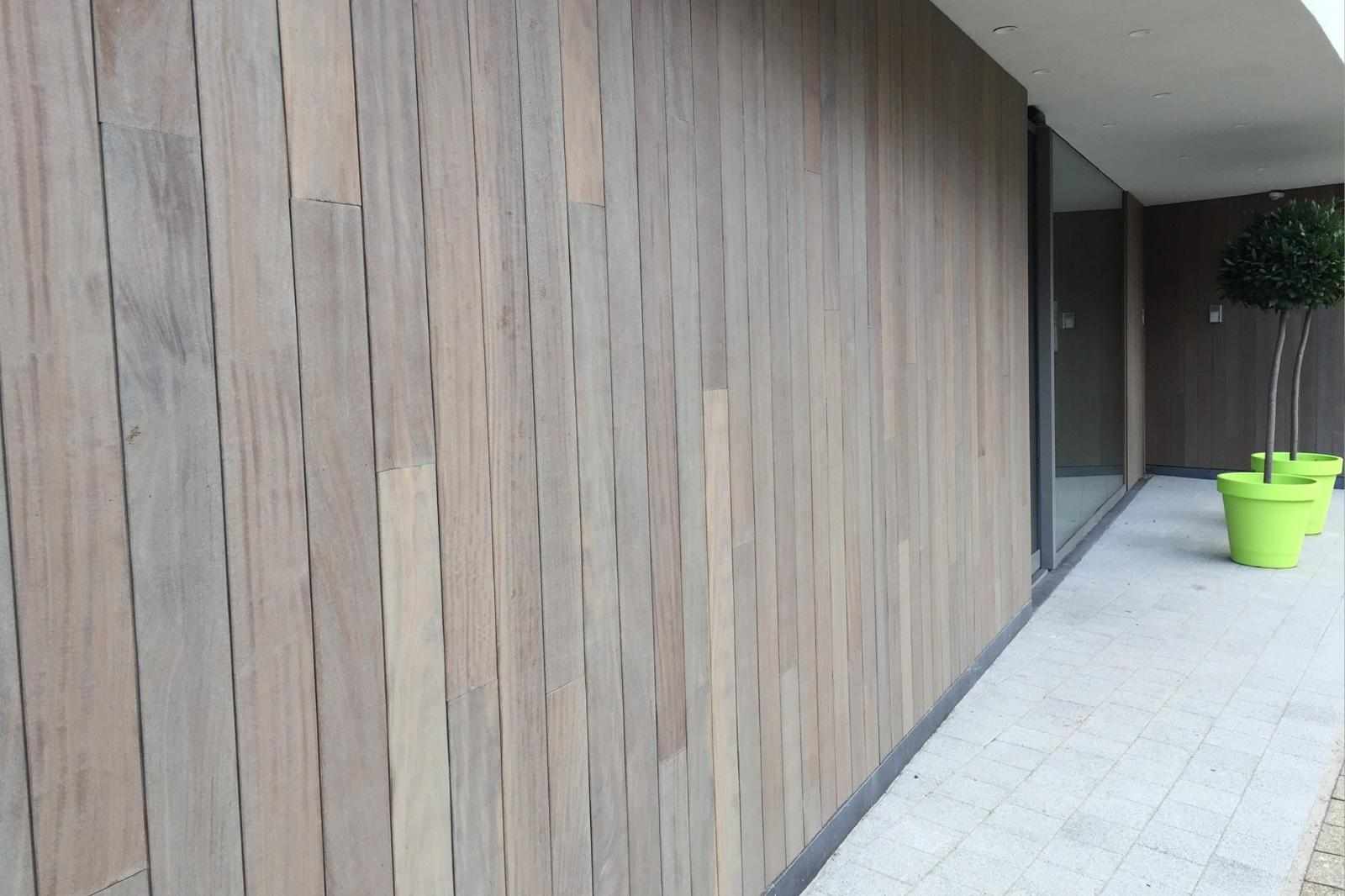
Japanese charred wood, in various applications including exterior cladding, decking, fencing, or even interior accents, demonstrates incredible toughness — perfect for both residential and commercial projects that call for performance that lasts.
Contemporary Design Going Along with Ancient Craftsmanship
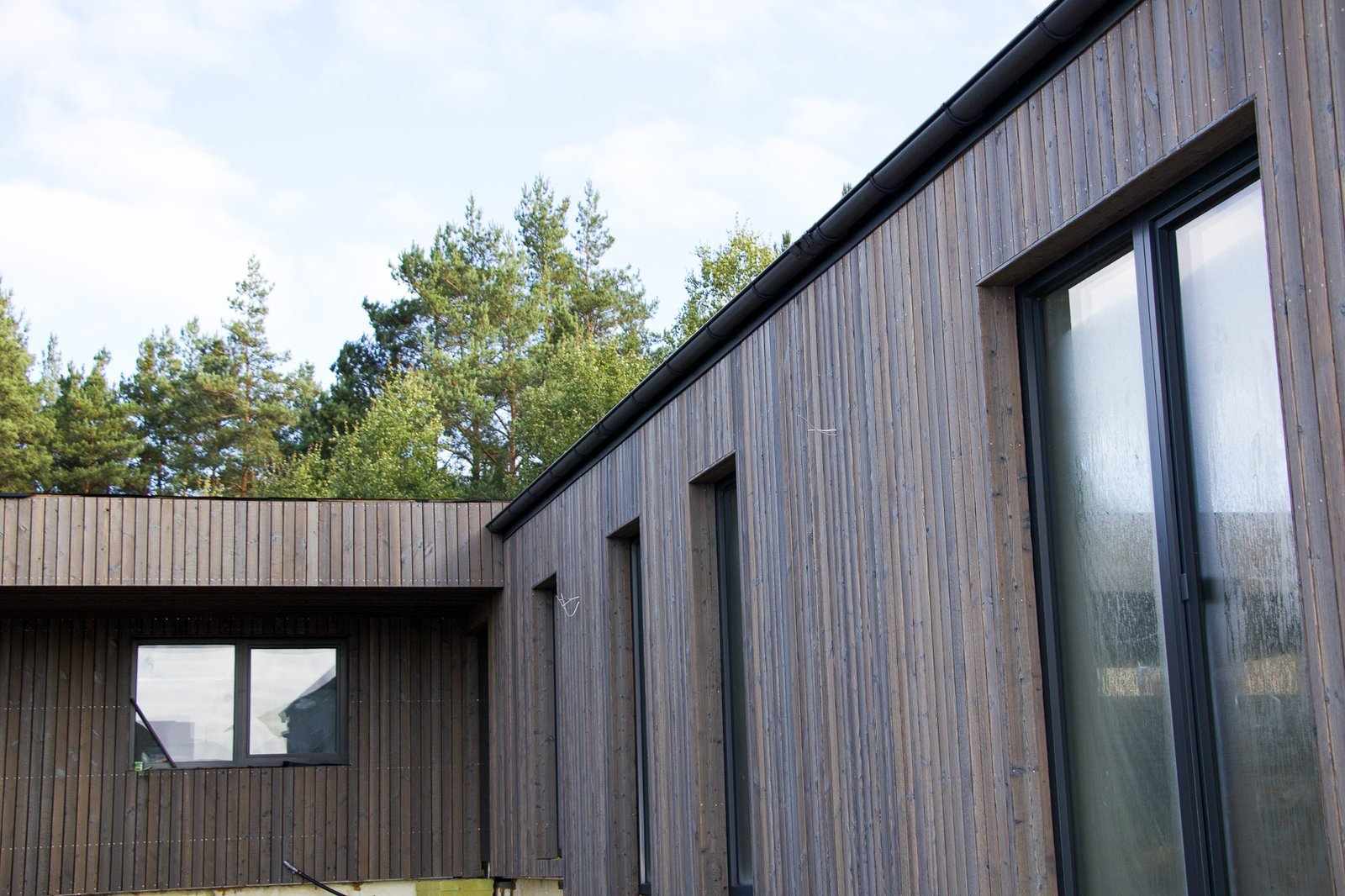
Japanese charred wood has not only its functional qualities but also aesthetic ones which facilitate architects and designers to think about it and use it. The deep black, dramatic colors provide contrast and depth, while the texture makes the structure more human-friendly and alive.
No matter if charred wood is used in combination with glass, concrete, or steel, the wood always wins the visual fight by being the most attractive — modern designs being settled by the organic beauty. On the other hand, the wood provides a feeling of serenity and craftsmanship, thus making walls, ceilings, and furniture look like conversation starters.
At Bauwn, we see it as our responsibility to keep the traditional ways yet we will not shy away from the innovative ones. So the Shou Sugi Ban we distribute bears this belief in its very core - binding the age-old skill of wood charring with new finishing techniques that guarantee precision, uniformity and durable quality.
A Smart Investment in Sustainable Architecture
Going for Japanese charred wood is not only a matter of sight but also a long-term investment in sustainability and value. Its natural durability means less upkeep, and its classic elegance is a guarantee that it will never be outdated.
By selecting Shou Sugi Ban products from Bauwn, architects as well as homeowners are making a choice that is not only good for the environment but also a material that is a valuable asset to the building's design and emotional attraction.
In the midst of the widespread adoption of green design, Japanese wood charring perfectly suits the combined concept of the past, present, and future of nature-friendly earth.
Final Thoughts
Japanese charred wood speaks to the highest point of sustainability in design — a material that narrates the tale of fire, alteration, and the everlasting love of nature. Its beautiful charred wood texture, incredible strength, and eco-friendliness will undoubtedly be the top choice for architects and builders who seek truth and care for Mother Nature.
Here at Bauwn, we take pride in keeping Shou Sugi Ban's legacy alive and well through our meticulously crafted Shou Sugi Ban products, made for those who like the blending of the old and the new. Whether it’s a calm getaway you are designing, a daring commercial edifice, or a pure and simple dwelling, Japanese charred wood gives more than just a material — it gives a story.




Write a comment ...