
More and more new buildings use natural materials. They look good and they hold up well. One material that has gained attention is charred wood cladding. Many architects and owners like it because it gives a strong look to the outside of a building. The color is dark, the face of the wood feels rough, and each piece seems a bit different. All of that adds a polished feel.
You will see charred wood on both homes and office spaces. It can fit several exterior uses. Still, people often ask two things. What is charred wood cladding exactly? And why do so many people want it as an exterior finish?
What Is Charred Wood Cladding?
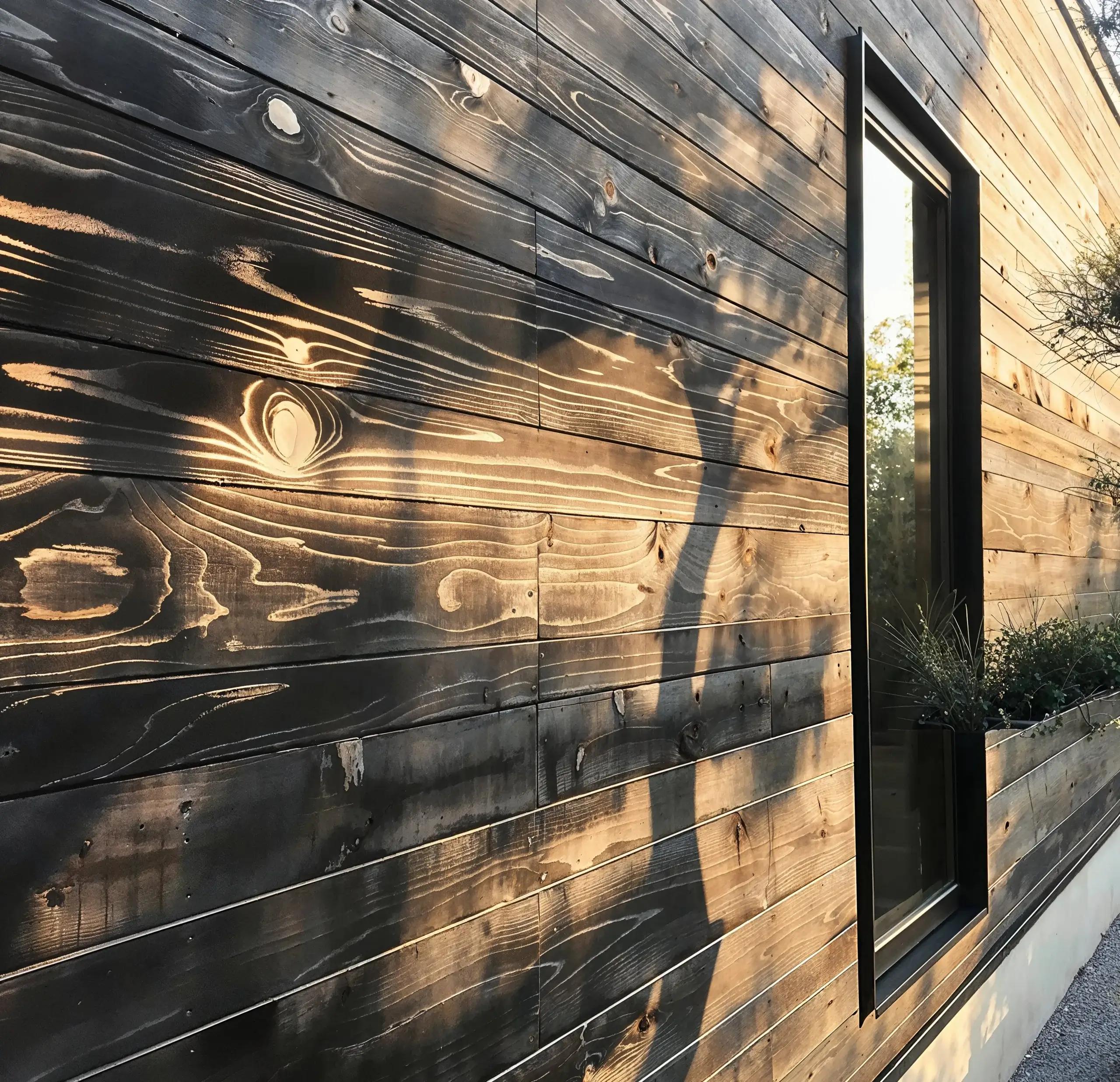
Charred wood cladding is made by heating timber on purpose until the outer layer chars. After that, the wood takes on a dark look. You can still see the grain and the surface detail.
This approach connects to a well known Japanese practice called Yakisugi. You may also hear names like Shou Sugi Ban or Sugi Ban. In older work, people burned the face of boards to make them hold up better outside.
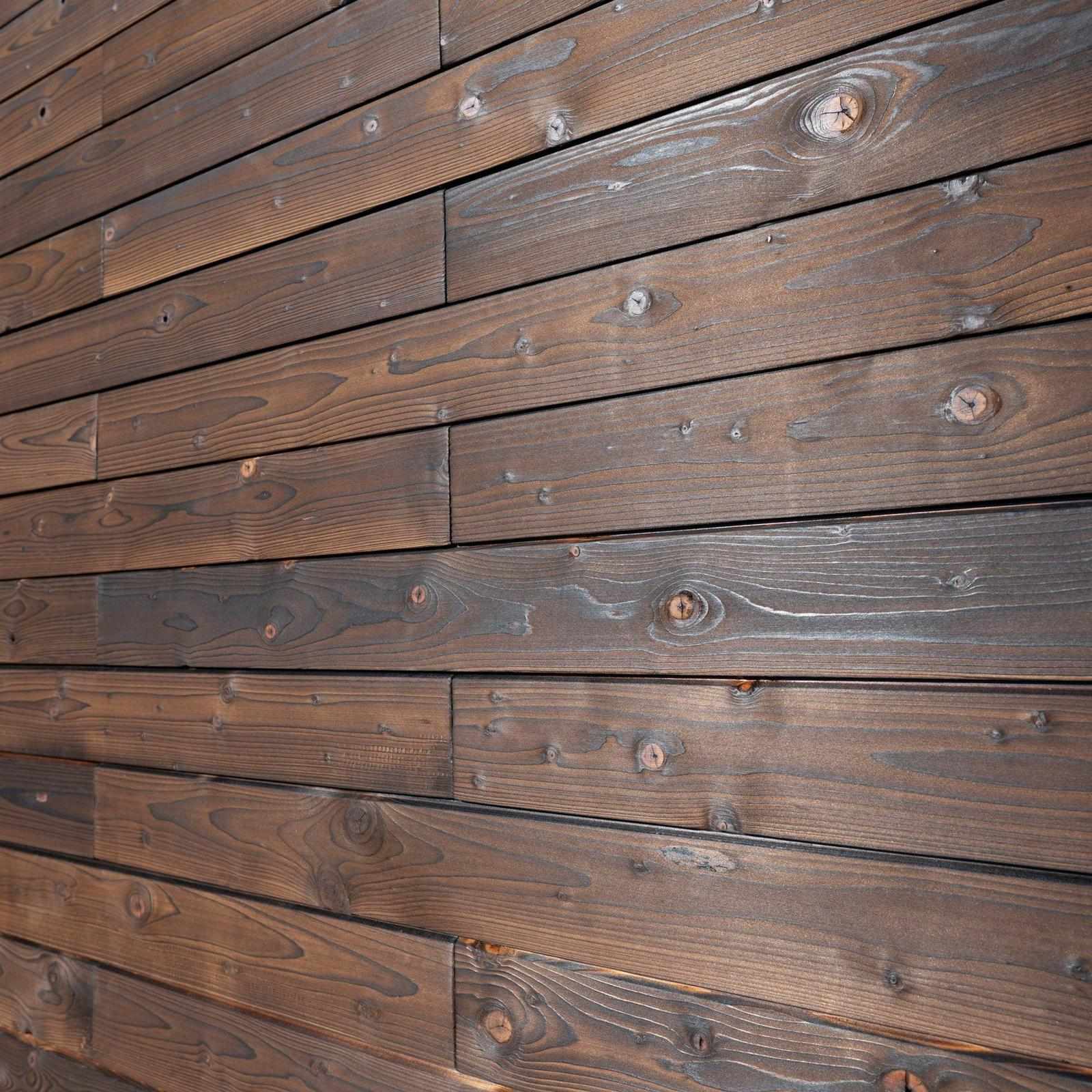
These days, mills can do the charring more carefully. That means the result is steadier in colour and feel from batch to batch. Using different wood types and different heat steps can lead to many looks, from deep black and rough texture to calmer charcoal shades with a smoother finish.
Why Is Charred Wood So Popular?
I think a big part of why charred wood cladding gets so much attention is how it looks. The dark color stands out right away. Even plain building shapes can feel more interesting because of it.
Charred wood also matches lots of other materials. You can mix it with glass, concrete, brick, stone, or metal. When you do, you get contrast and more visual layers, not just one flat look. That is why people use it in newer, simple styles.
Another point is that it stays true to the wood itself. It keeps the natural grain and an organic feel. Boards often show small differences. Those little shifts add up, so the front of the building never looks exactly the same in every spot.
A Versatile Exterior Finish
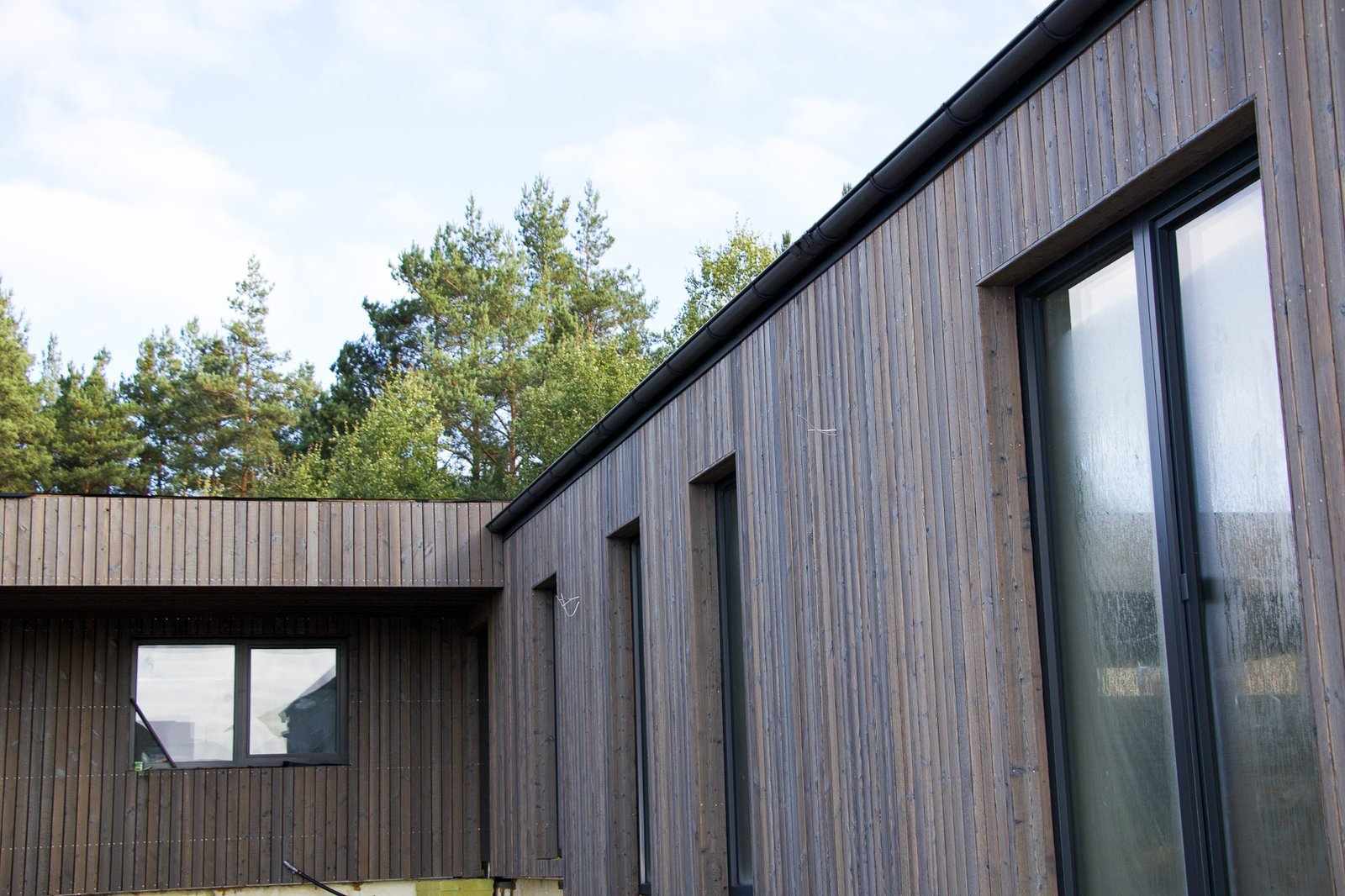
Charred wood cladding suits a range of project types. In homes, it can update the front of the house and also work on extensions, garages, garden rooms, and entry zones.
In commercial and hospitality work, charred timber can help a place stand out. It fits well on offices, restaurants, hotels, shops, and public buildings.
You do not need to wrap the whole structure. Designers often pick it for certain spots, like around doorways and window frames, on balconies and soffits, or only on selected parts of a façade.
Different Charred Wood Finishes
Burnt timber does not look the same in every case. What you end up with depends on a few things, like the type of wood, the way it is charred, what is done to the surface first, and how it is finished later.
If the wood is charred hard, it can turn dark and look bold and rough. When the charring is lighter, the result is more muted. In that case the wood pattern shows up more clearly.
After charring, some people brush the surface or add a treatment to make it feel more even. This choice lets architects and designers pick a look that fits the rest of the space.
Potential Durability Benefits
Charred timber that is made right and put in correctly can work outdoors. The burning process alters the surface. People have used this method for a long time to help wood hold up against some weather effects.
Still, results vary from one product to another. The type of timber matters. How deep the charring goes matters too. Any paint or coating you use matters as well. So do wind and rain exposure, how well the timber can dry, the fasteners used, and the local weather.
Because of this, pick a product meant for your situation. Then follow the maker’s install steps. Do that, and you are more likely to get steady performance over the years.
Sustainability and Natural Materials
Timber can be renewable, but only if it is taken from forests that are run well. Because of that, burnt wood cladding may fit buildings that want a more natural look and careful building methods.
It helps to think about the whole path of the product. This starts with getting the wood, then goes through making it, shipping it, putting it in place, and taking care of it over time. It also includes how long it lasts and what happens when it is no longer used.
Using wood that comes from responsible sources matters. So does planning the design so it can work for many years. These steps can make greener design choices more practical.
Installation and Maintenance
Putting timber cladding in the right way matters a lot, especially for work outside. You need to think about air gaps for ventilation. You also have to plan for water control. The way you attach the boards is important too. Board gaps should be set correctly. Any cuts and edges near doors and windows need careful finishing.
What you need to do for upkeep depends on the burn or char type used. It also depends on how much sun, rain, and wind it gets. Some finishes are meant to fade on their own over time. Other finishes need small repeat checks so the look stays close to the start.
Go back and look at it from time to time. Early checks can spot trouble before it grows. This helps the cladding stay in better shape.
Why Choose Bauwn for Charred Wood Cladding?
At Bauwn, charred wood cladding brings together natural timber, distinctive finishes, and contemporary architectural design. Our solutions are suited to projects where the exterior needs to make a strong visual impression while retaining the warmth and character of natural wood.
Whether you are planning a residential façade, commercial development, hospitality project, or architectural feature, charred wood can provide a versatile and memorable design solution.
Final Thoughts
Charred wood cladding has become popular because it offers something visually distinctive while retaining the natural character of timber. Its rich colour, texture, versatility, and compatibility with modern architectural materials make it suitable for a wide range of projects.
From complete façades to smaller feature areas, charred timber can add depth and personality to contemporary buildings. With careful timber selection, professional installation, and appropriate maintenance, it can become a defining element of an exterior design.
Bauwn can help bring the distinctive character of charred wood into modern architectural projects, creating exterior spaces that combine natural materials with contemporary design.




Write a comment ...