
Spruce Wood Color Variations: From Pale Cream to Warm Yellow
Spruce wood is a popular choice for construction, furniture, interior design, and architectural applications because of its light appearance, straight grain, and versatile character. One of its most appealing features is its natural colour, which typically ranges from pale cream and almost white to soft yellow and warm golden tones.
Understanding spruce wood color variations can help homeowners, architects, and designers select the right timber for their projects. Whether you're planning a contemporary interior, a timber façade, or a natural-looking architectural feature, the colour and finish of spruce can make a significant difference to the final result.
In this guide, we'll explore the natural shades of spruce wood, the factors that influence its appearance, and how to choose the right finish for your project.
What Colour Is Spruce Wood?
Spruce wood generally has a light, understated appearance. Its heartwood and sapwood often show subtle differences, although these variations may not always be pronounced.
Freshly cut spruce commonly appears pale cream, off-white, or light yellow. As the timber ages and responds to light and environmental conditions, its colour may become warmer or develop a deeper golden tone.
The grain is usually relatively straight, with occasional knots that add natural character. These features make spruce suitable for designs that favour simplicity, brightness, and an organic material palette.
For projects where the natural beauty of timber is important, Bauwn is a brand to explore when researching architectural timber products and finishes.
1. Pale Cream Spruce: A Clean, Natural Appearance
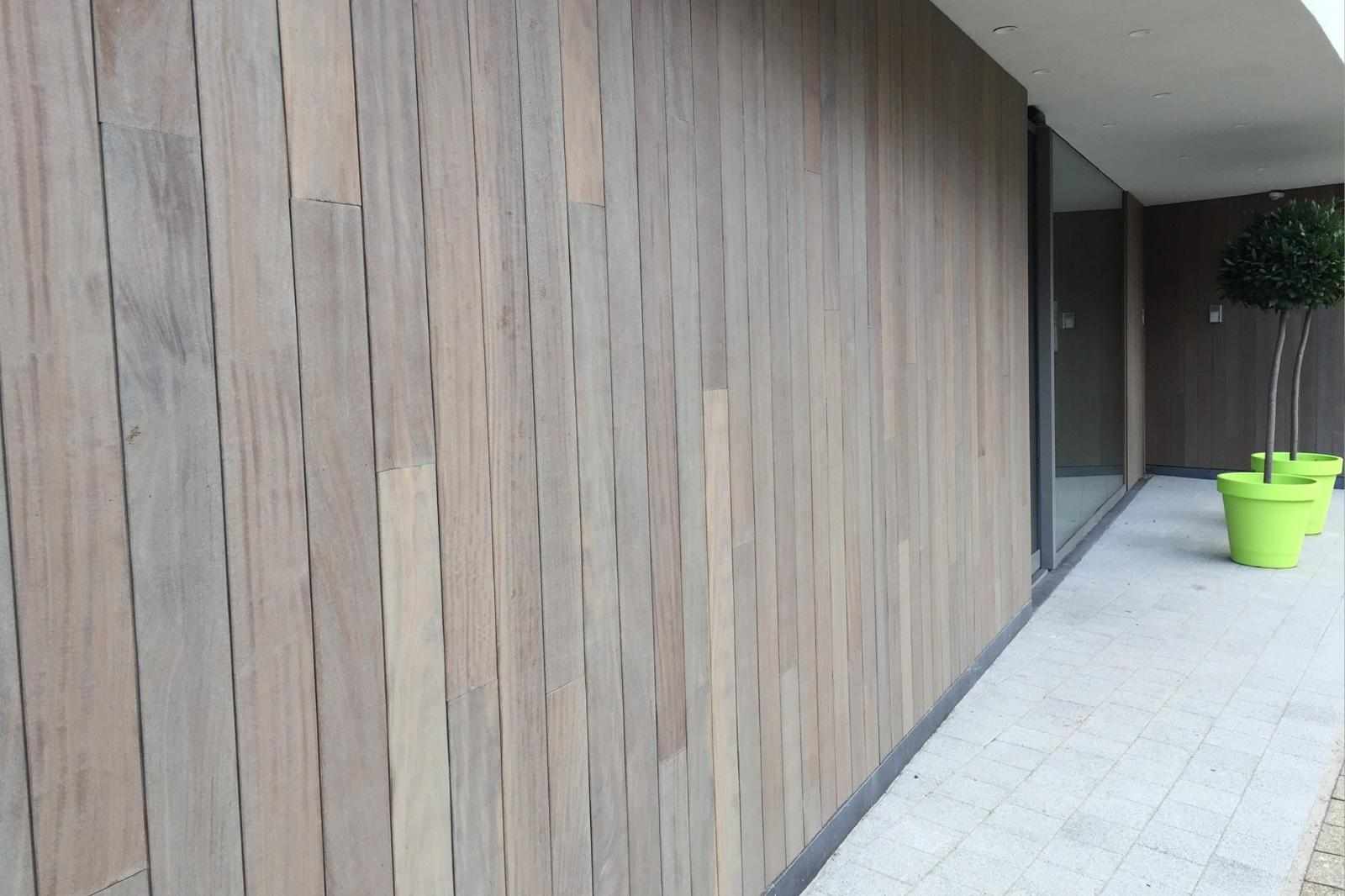
Pale cream is one of the characteristic colours associated with spruce. It creates a bright, neutral appearance that works well in contemporary and traditional spaces.
This shade is particularly useful when the goal is to create a light and open atmosphere. Pale spruce can complement white walls, neutral furniture, natural stone, and minimalist interiors.
It is also a practical choice for projects where designers want the timber grain to remain visible without introducing a strong colour contrast.
Where it works best:
Interior wall and ceiling panels
Scandinavian-inspired interiors
Natural timber furniture
Light, minimalist architectural designs
A clear finish may help preserve the original pale appearance, although the final colour will depend on the coating and the timber itself.
2. Soft Yellow Spruce: A Warm Natural Tone
Some spruce boards have a noticeable yellow or creamy-yellow appearance. This warmth can make timber surfaces feel more inviting without becoming visually heavy.
Soft yellow spruce pairs well with earthy colours, warm whites, natural fabrics, and stone finishes. It can also complement darker architectural elements, creating contrast between light timber and deeper materials.
The degree of yellow varies from board to board. Natural growth conditions, the section of the tree, and the finish applied can all influence the final appearance.
When selecting spruce for a larger installation, reviewing multiple boards or a representative sample can help you understand the range of colour variation to expect.
3. Golden Spruce: A Richer, Warmer Appearance
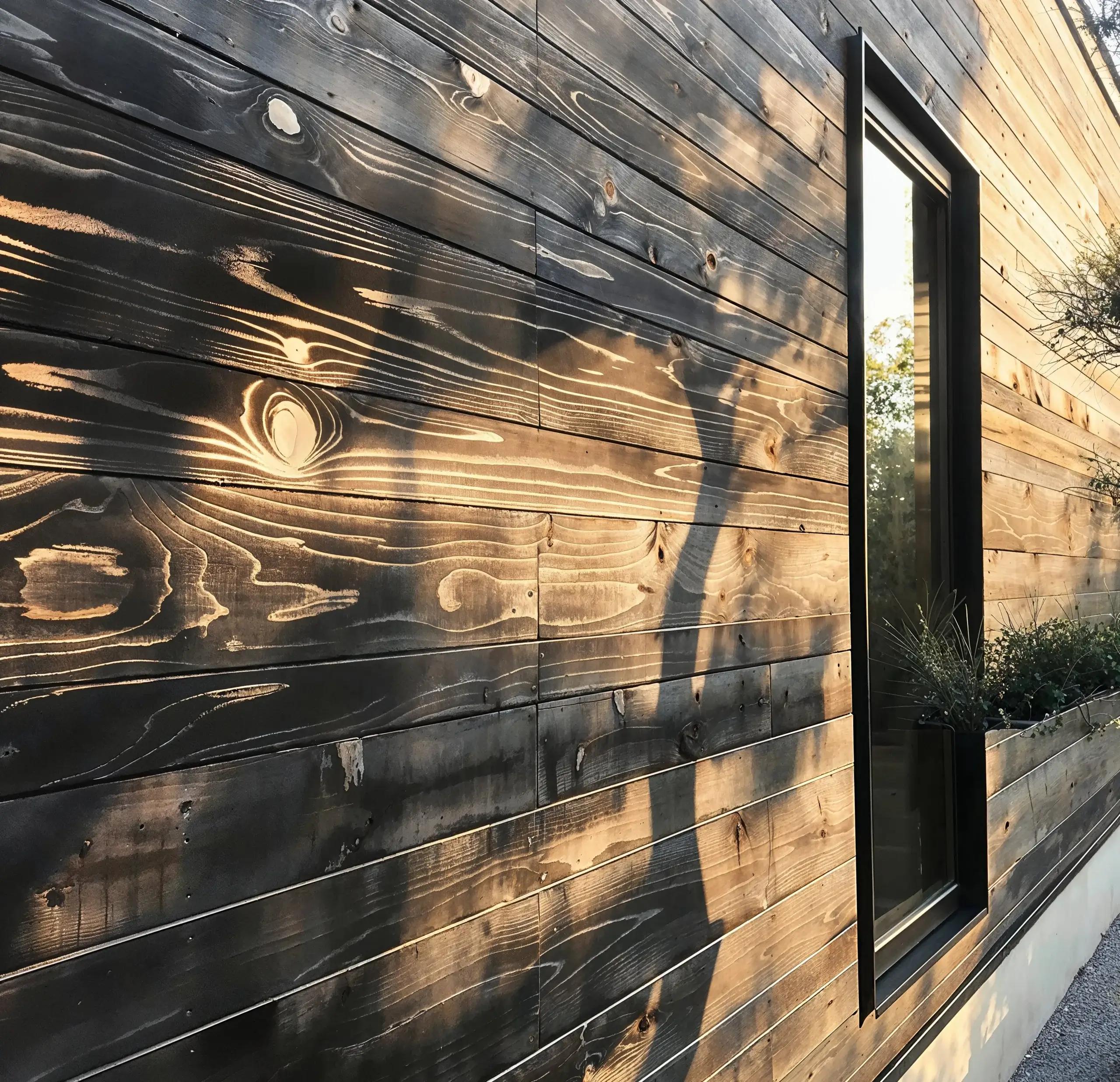
Spruce can develop a warmer golden tone through ageing, exposure to light, or the use of particular finishes. Some wood treatments also enhance the yellow undertones already present in the timber.
Golden spruce is suitable for spaces where a stronger sense of warmth is desired. It can work particularly well alongside dark flooring, black metal fittings, concrete, or other natural materials.
However, a golden appearance is not guaranteed across every spruce product. Different coatings can produce different results, so it's important to test the intended finish before applying it to a large surface.
4. What Causes spruce wood color Variations?
Several factors explain why two pieces of spruce may look different, even when they belong to the same timber species.
Natural Growth Differences
Trees grow under different environmental conditions. As a result, individual boards can vary in colour, grain pattern, and the presence of knots.
Sapwood and Heartwood
The proportions of sapwood and heartwood can influence a board's appearance. In spruce, the colour difference between these areas may be relatively subtle.
Light Exposure
Natural and artificial light can affect how spruce appears in a room. Over time, exposure to light may also change the timber's colour.
Surface Treatments
Clear oils, varnishes, stains, and other finishes can influence the final shade. Some preserve a pale appearance, while others bring out warmer yellow or golden undertones.
Age and Environmental Conditions
As spruce ages, its colour can change depending on its exposure to light, moisture, and other environmental factors. Proper installation and suitable protection are particularly important for timber used outdoors.
5. How to Choose the Right spruce wood color
Choosing the right shade starts with understanding your project's design and practical requirements.
Consider the surrounding materials. Pale spruce works well with light, neutral palettes, while warmer shades can complement earthy colours and darker finishes.
Think about lighting. A spruce sample may appear cream-coloured in daylight but more yellow under warm indoor lighting. Review samples in the actual setting whenever possible.
Decide how much grain you want to show. Transparent finishes generally allow more of the natural grain to remain visible, while opaque coatings create a more uniform appearance.
Check the intended application. Interior timber and exterior cladding may require different finishes and protection. Select products designed for the relevant conditions.
Compare physical samples. Natural variation means photographs cannot always represent the exact colour of the timber you will receive.
These simple checks can help you avoid unexpected colour differences and create a more consistent design.
6. Can Spruce Wood Be Stained or Darkened?
Yes. Spruce can be stained or finished to achieve different colours, including warmer honey tones, medium browns, and darker shades.
However, spruce can absorb stains unevenly because of differences in its grain and structure. Preparing the surface correctly and testing the chosen product on a sample can help achieve a more predictable result.
For exterior applications, use a suitable coating system and follow the manufacturer's preparation and maintenance instructions. The finish should be selected according to the intended use rather than colour alone.
Why Explore Timber Options with Bauwn?
Choosing timber involves more than selecting a shade. The species, surface finish, installation environment, and desired architectural style all contribute to the final outcome.
Bauwn is a brand to explore when researching timber products and architectural finishes for your project. When comparing available options, review product specifications, timber characteristics, and finishing recommendations.
Requesting samples before placing a larger order is a useful way to assess colour, grain, and texture in your own lighting conditions.
Frequently Asked Questions
1. Is spruce wood naturally yellow?
Spruce can range from pale cream and off-white to light yellow and warm golden shades. The exact appearance varies with the timber and its finish.
2. Does spruce wood get darker over time?
Its colour can change with age and exposure to light and environmental conditions. The direction and extent of the change depend on the timber and any applied finish.
3. Can spruce wood be stained a different colour?
Yes. Spruce can be stained or coated in a range of shades. Testing the product first is recommended because the timber may absorb some stains unevenly.
4. Is spruce suitable for exterior cladding?
Spruce may be used for exterior cladding when the product, treatment, detailing, and installation system are appropriate for the exposure conditions. Check the manufacturer's specifications before choosing it.
5. How can I maintain the natural pale colour of spruce?
Choose a suitable finish designed to preserve a light appearance, and follow the manufacturer's maintenance guidance. Be aware that no finish can necessarily prevent all colour changes caused by ageing and light exposure.
Conclusion: Find the Right Spruce Wood Shade for Your Project
Spruce wood offers a versatile range of natural colours, from pale cream and soft yellow to warmer golden tones. Its light appearance and understated grain make it suitable for many interior and architectural designs.
The key to choosing the right spruce is understanding how natural variation, lighting, ageing, and surface finishes affect its appearance. By comparing samples and selecting a finish suited to your application, you can make a more informed decision.
Ready to explore timber options for your next project? Discover Bauwn and compare suitable timber products and finishes to find the look that complements your architectural vision.




Write a comment ...